New & Noteworthy
Stay up to date with news, highlights, & features from across Freeman's.
Stay up to date with news, highlights, & features from across Freeman's.
Written by: Elizabeth Marshman Associate Vice President, Director, Trusts, Estates & Private Clients
Ben Farina SVP, International Representative, Asian Art

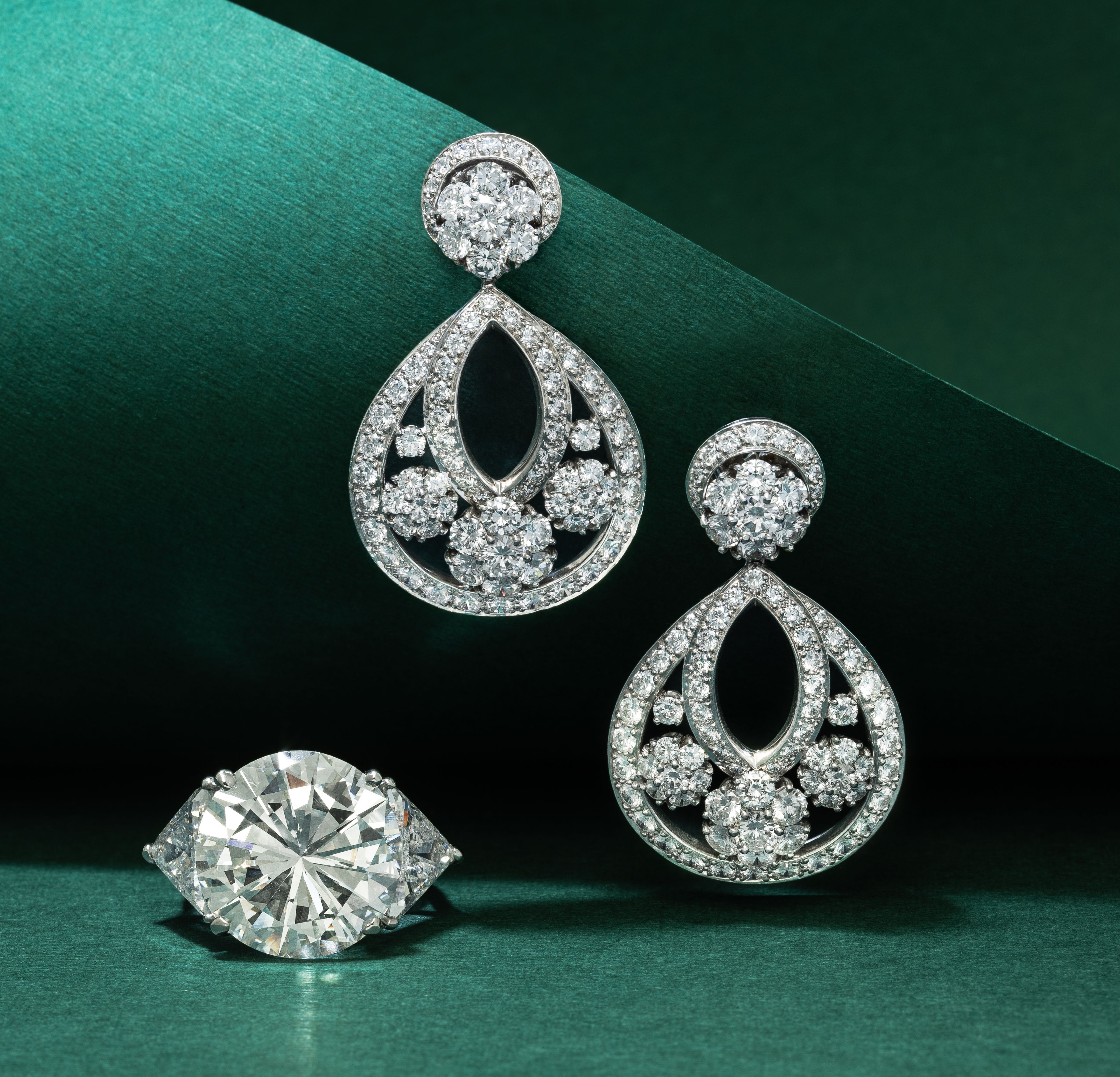
Freeman's is honored to present selections from the Estate of Rebecca Lee, an exceptional collection reflecting a discerning eye for luxury and craftsmanship.
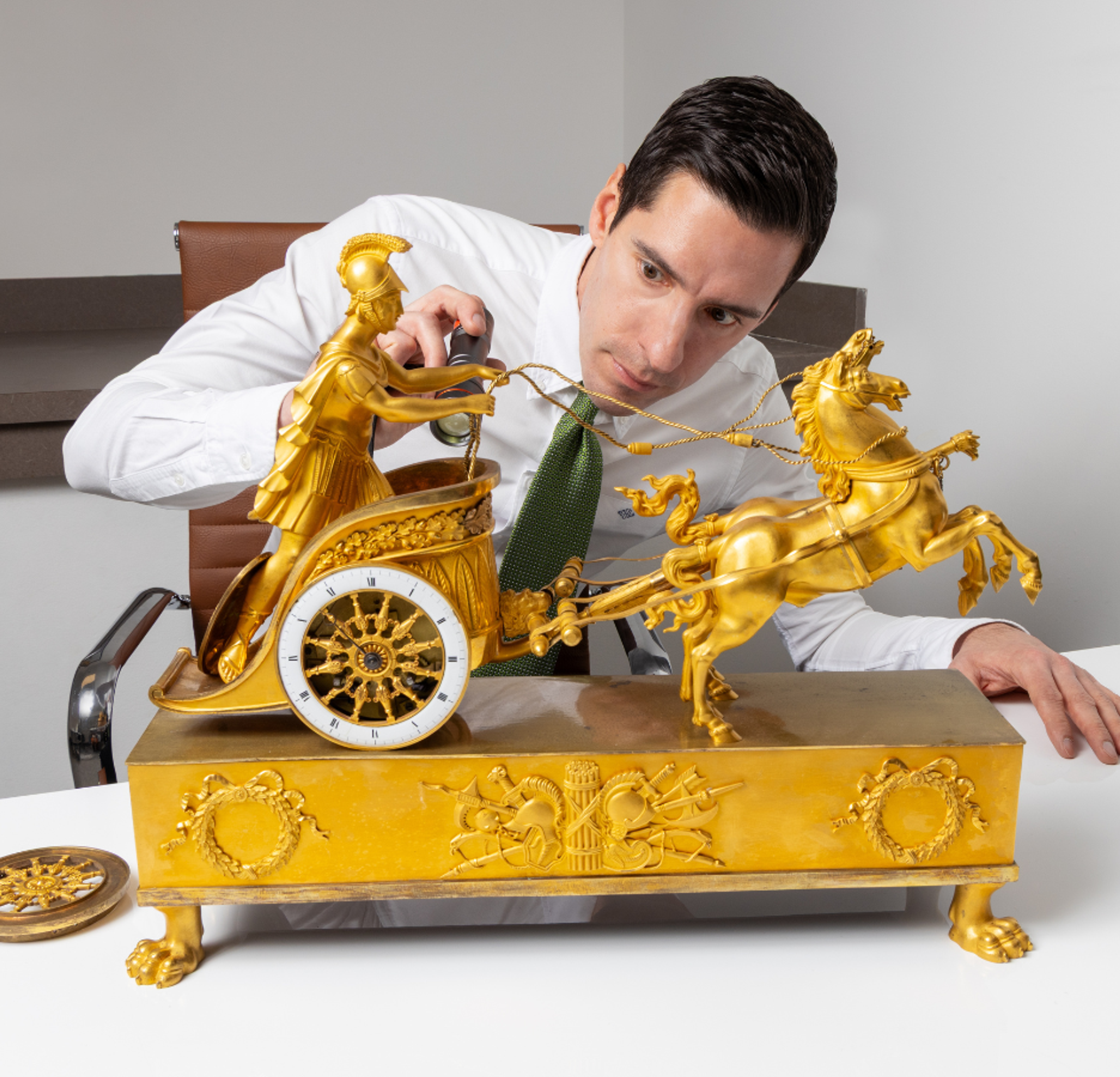
Join us as we spotlight Corbin Horn, Senior Vice President, Head of Department, European Furniture & Decorative Arts, ahead of our two-day sale series. Learn about his journey in the world of furniture and decorative arts, notable achievements at Freeman’s, and his favorite lots from our upcoming sale.
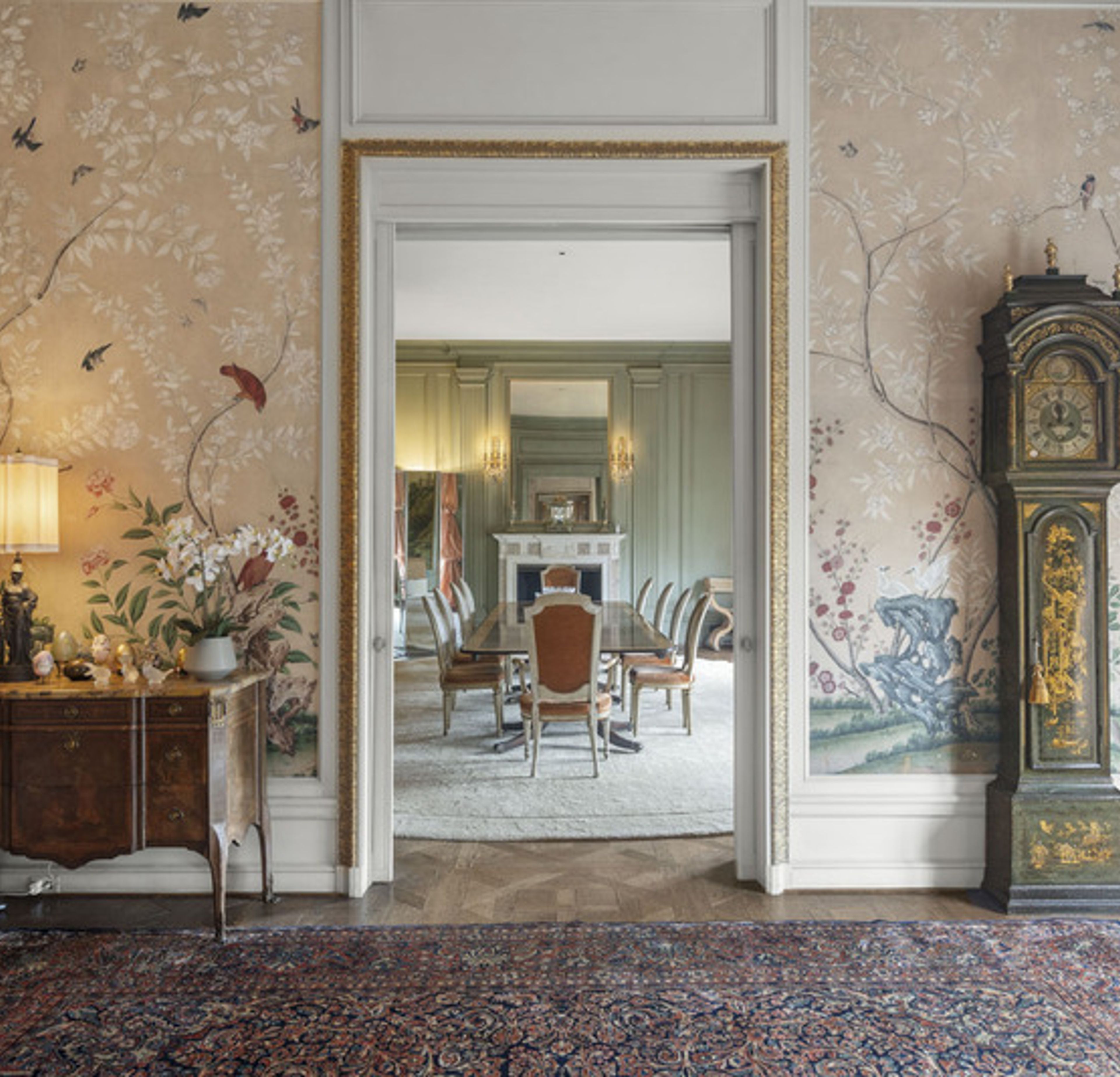
Presented on July 14 in Freeman’s European Furniture & Decorative Arts auction in Chicago, Property from Strawberry Hill: The Collection of Ada and Barrie Regan, Hillsborough, California, highlights the refinement of tastemakers across generations. Lot 10 | A Louis XVI Style Marquetry and Gilt Bronze Mounted Occasional Table | Estimate $10,000 - $20,000 In 1912, Joseph D. Grant, the financier and San Francisco civic leader, commissioned architect Lewis Hobart to design and build "Villa Rose" on the San Francisco Peninsula. The 40-acre parcel in Hillsborough, California, remains one of the original historic Gilded Age estates, with lush gardens surrounded by wooded parkland. When Charles R. Blyth and his wife purchased the estate in 1936, they renamed it "Strawberry Hill," a reference to the home's pleasing pink color and a nod to Horace Walpole's Gothic Revival mansion in London. When Ada and Barrie Regan purchased the residence, it was in disrepair and required substantial attention to the interior and gardens. Once restoration was complete, Ada and Barrie Regan filled the home with wonderful Continental furniture and decorative objects. Lot 34 | A Steinway and Sons Baby Grand Piano | Estimate $7,000 - $9,000;| Lot 37 | Carl Herpfer (German 1836-1897) A Gentleman and Three Ladies Taking Tea at a Window | Estimate $7,000 - $9,000 Their appreciation for the home's architecture and history is evident in the collection they assembled, offered as lots 1 through 102 on July 14 and as another sequence of lots in our July 24, 2026,Interiors auction.
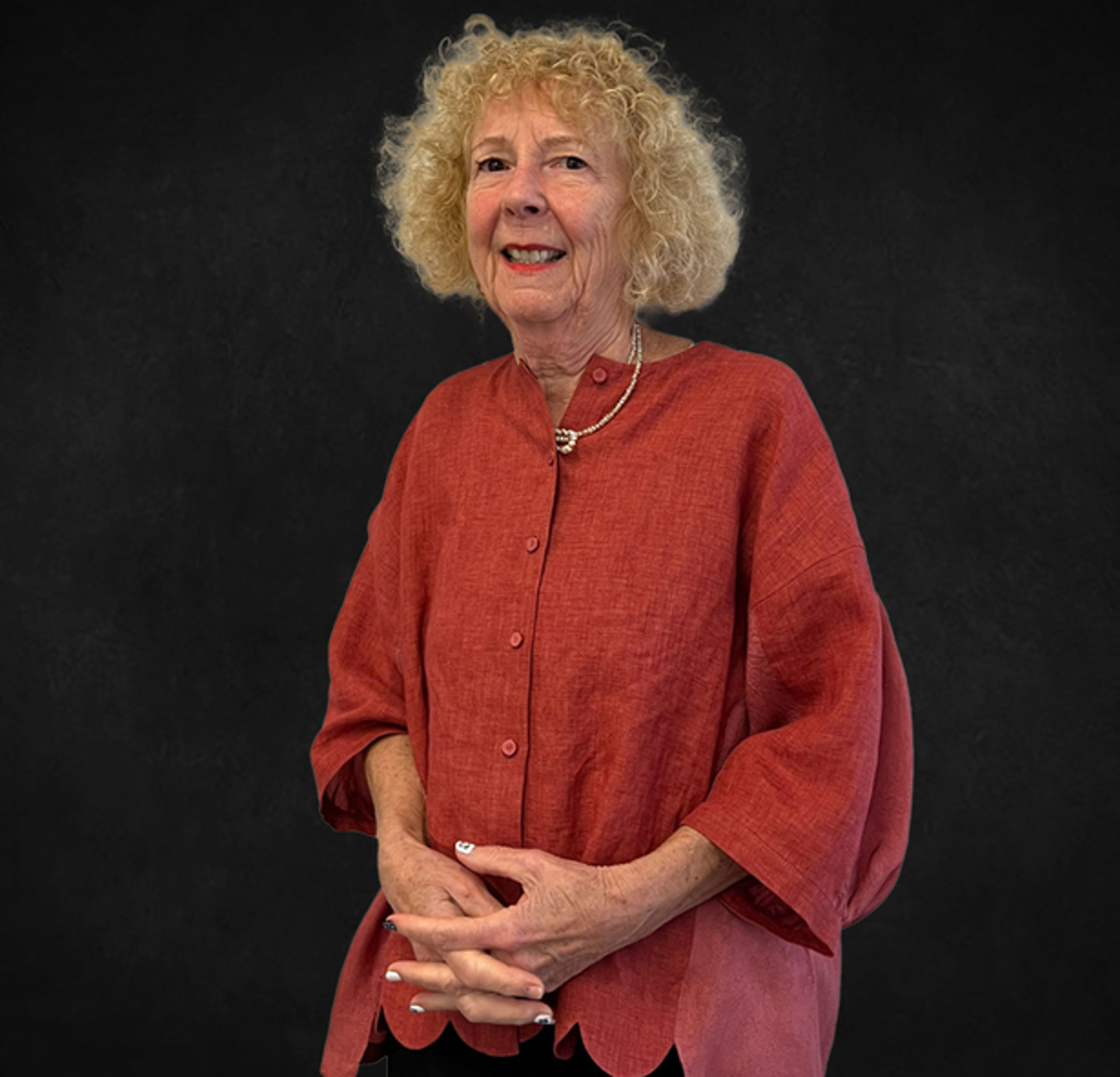
In anticipation of Freeman’s third annual Western Manuscripts and Miniatures auction on July 9, Christopher Brink, Associate Vice President, Head of Sale, and Senior Specialist, Books & Manuscripts, sat down with Senior Consultant, Medieval and Renaissance Manuscript Illumination, Sandra Hindman. Gain insights into market trends, Sandra’s expertise in the world of manuscripts and miniatures, and the ever-changing landscape of the category in the age of technology.
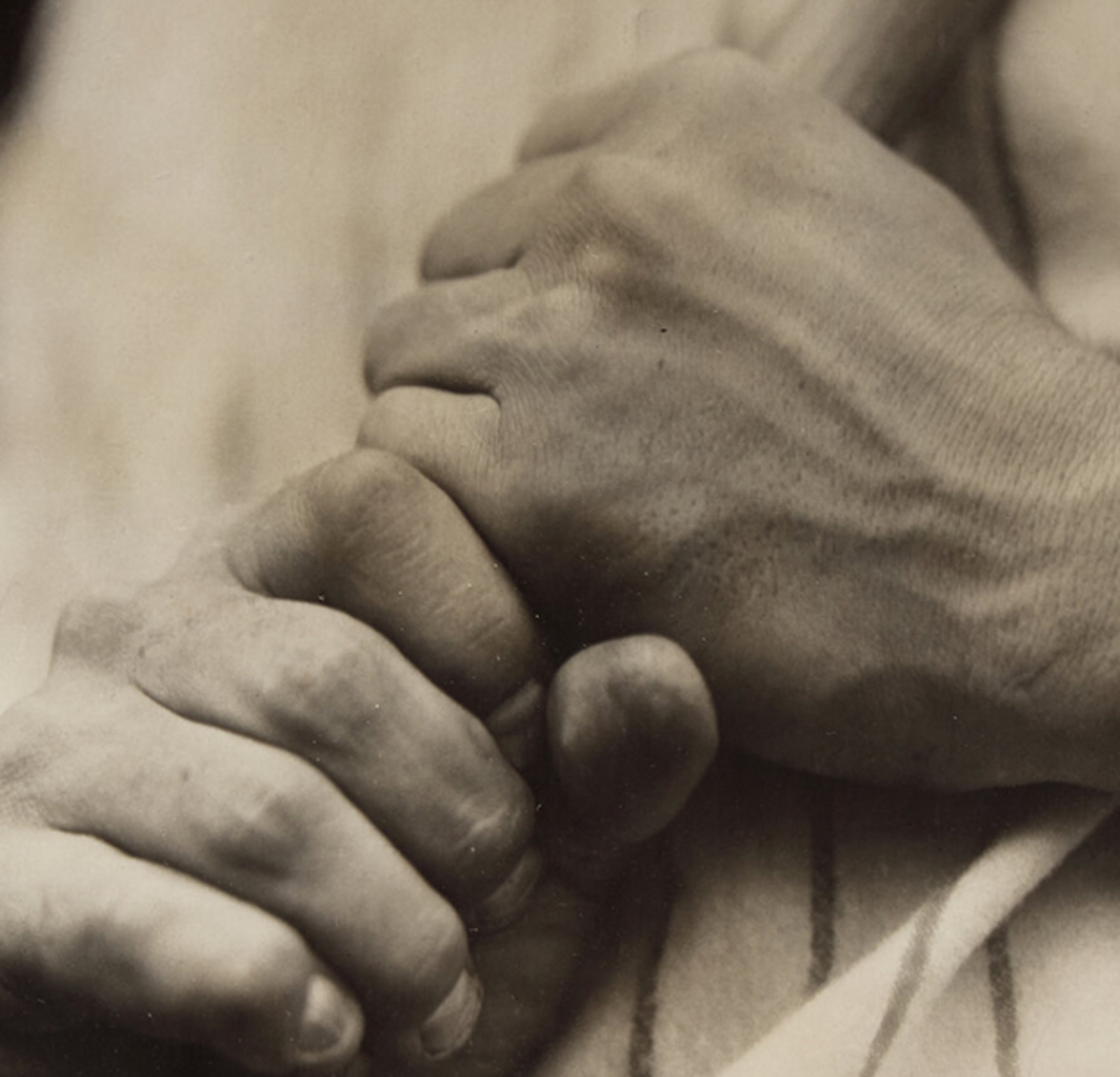
Eric C. Caren, one or the foremost private collectors of historical paper and documentary material in the United States, is widely regarded as "The Babe Ruth of Historical Collecting," reflecting both the scope of his holdings and the singular impact he has had on the market for primary-source history.
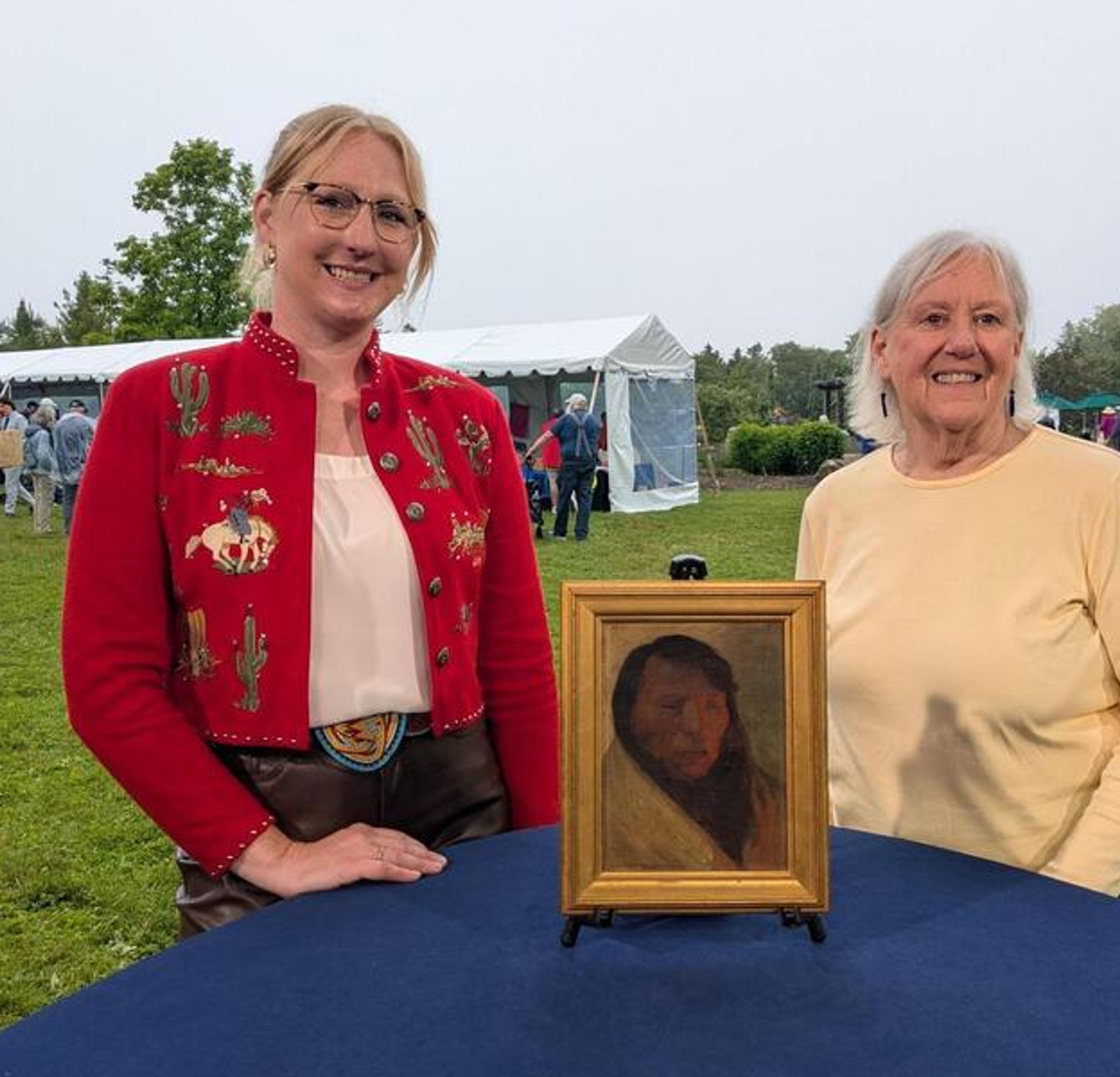
Join us as we spotlight Erin Rust, Associate Vice President and Specialist in Native American Art, ahead of our Native American and Southwestern Jewelry auction on June 15. Learn about her journey in the world of Native American art and jewelry, notable achievements at Freeman’s, and her favorite lots from our upcoming sale.
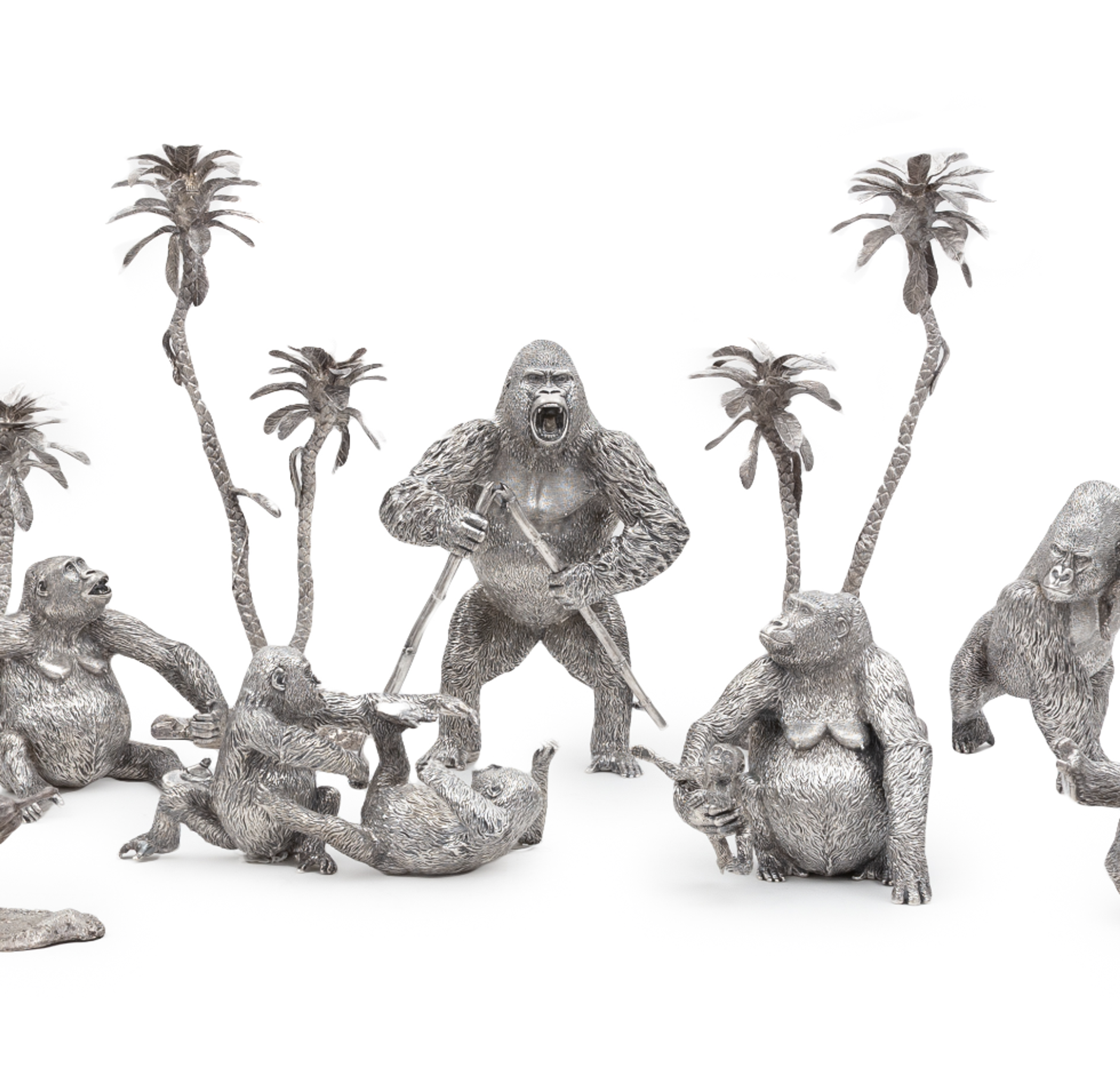
The first Patrick Mavros production studio was opened in 1983 on the family estate in the picturesque jungle of the Umwinsi Valley, Harare, Zimbabwe. Today, two generations of the Mavros family run the company which has expanded to include flagship stores in London and Harare and six boutiques throughout Africa. Although the company initially focused on jewelry, they expanded to include table decorations, luxury home goods, silver flatware, and small- to large-scale figurines, created from sterling silver and gold using the cire-perdue, or lost wax, casting method. The finely crafted Patrick Mavros oeuvre is exclusively conceived by family members, drawing inspiration from the natural beauty of African flora and fauna, and produced in Africa. Silver and gold used for all of the company’s creations is recycled from post-consumer sources, reducing the brand’s environmental footprint. Freeman’s is delighted to offer an expansive early collection of vintage Patrick Mavros sterling silver gorilla figurines and foliate table decorations in our June 16, 2026, Dining at Home sale. The collection includes fourteen members of the playful gorilla families, including a formidable large-scale sculpture of the “Chairman” and a few adorable infants. Over half of the marvelously detailed gorillas were cast in 1996 when the treasured line debuted, and many are now out of production. Posed in lifelike positions, the gorillas appear poised to spring into action. Completing a fantasy miniature jungle, the collection is rounded out by groups of botanically precise sterling silver palm tree- and bamboo-form candlesticks and a darting Springbok antelope that is part of Patrick Mavros’ line of freestanding, smaller-scale animal figurines. The Mavros brood is known for their commitment to environmental conservation and protection of the African wilderness. In 2016, they began raising awareness and funds for conservation of the pangolin, a remarkable scaled mammal threatened with extinction from illegal poaching. Although the pangolin remains the world’s most-trafficked mammal, thanks in part to the company’s activism, the species has gained significant protection measures from critical governments worldwide since 2020. Dining at Home Live Online | Chicago Jun 16 | 10:00 AM CDT

This 1975 painting, Trishie and Laddy (Lady), a close-cropped view of a woman and her dog amid a sunlit park, highlights Katz’s ability to distill personality and explore broader thematic concerns through portraiture. The subject of international acclaim, including more than 200 solo exhibitions, Alex Katz (American, b. 1927) came of age in New York during the 1950s alongside the rise of Abstract Expressionism, which he deliberately eschewed, preferring instead to champion representational painting. To this end, he applied a now characteristic and vibrant visual language, balancing realism and abstraction, ambivalence and intimacy. Katz has sought to share his world through his painting, whether through hundreds of portraits of his wife of almost 65 years, Ada, his home in coastal Maine, or, as in Trishie and Laddy (Lady), scenes and characters from downtown New York City among the cultural avant-garde, and his love of dogs. Katz has created numerous paintings and prints featuring dogs throughout his career, with his dog Sunny as a frequent model. A double portrait, Vincent and Sunny (1967), of Katz’s son and the Skye Terrier, even hangs in the foyer of the Katz apartment.[i] With his typical flat handling of color and form bordering on the edge of abstraction, Katz strips away extraneous detail in order to center the personality and spirit of these animals, lavishing the same care as for any other portrait. This is especially apparent in these double portraits of dogs and people, such as Trishie and Laddy (Lady), where Katz relies on a shared visual language to contrast their personalities and emotional states in the snapshot of his encounter with them. Within the painting, elements of Trishie and Laddy mirror each other. The V-neck of the woman’s shirt echoes the triangular open mouth of the pup, possibly a Borzoi or other aristocratic hound. The soft fringes of Trishie’s bangs are reminiscent of the waves of Laddy’s ears, while the short dark strokes of the dog’s whiskers are seen again in the lashes covering the woman’s downcast eyes. Balanced by the complementary greens in the surrounding park, each is defined by a shared palette of pinks, warm oranges, and browns, with some white highlights and only a hint of cooler grays in the dog’s nose and the woman’s irises. In highlighting the connection between Laddy and Trishie, their different personalities are laid bare: Trishie’s shadowed eyes, bleary from sleep or otherwise unfocused in comparison to Laddy’s exuberance, and Laddy’s panting in excitement in opposition to Trishie’s closed mouth and narrowed eyes. The woman’s careful grooming, set off by her vertical beehive hairstyle, reiterates stillness and a sense of buttoned-up composure, offset by the horizontal darting of Laddy’s long snout into the frame. Katz, when describing how he chooses his subjects, explained his goals of illustrating real people while also examining social types and themes through carefully presented pictorial information. He shares: When you made it clear and the environment in a real, clear way, it tended to abstract into a more general statement. The particular person became A Woman.... I figured if I could paint a particular subject, it could be both specific and universal. It could be a certain person and a generalized woman.[ii] This dual appeal of balancing the familiar with the universal is captured in Trishie and Laddy (Lady). Apparently awoken and thus faced withthe quotidian task of taking her ecstatic dog for a walk, the woman pauses, arranging and shellacking a complicated hairstyle into place before heading to a New York park with her well-heeled dog. Trishie and Laddy reflect a generalized pair that contrasts energy and composure, coolness and fervor, and might be encountered on New York City streets, as well as a very specific woman and dog the viewer would like to know more about. Bibliography: Fortini, Amanda. “Alex Katz Is Still Perfecting His Craft.” T Magazine, The New York Times, August 18, 2022. https://www.nytimes.com/2022/08/18/t-magazine/alex-katz.html. Katz, Vincent. “The Look of a Certain Person.” In Alex Katz Portraits. Silvana Editoriale, Milan, 2003.http://vincentkatz.net/abc2/books_abc2_AK2.html. [i] As of 2022. Amanda Fortini, “Alex Katz Is Still Perfecting His Craft,” T Magazine, The New York Times, August 18, 2022, https://www.nytimes.com/2022/08/18/t-magazine/alex-katz.html. [ii] Vincent Katz, “The Look of a Certain Person,” In Alex Katz Portraits. Silvana Editoriale, Milan, 2003.http://vincentkatz.net/abc2/books_abc2_AK2.htm.
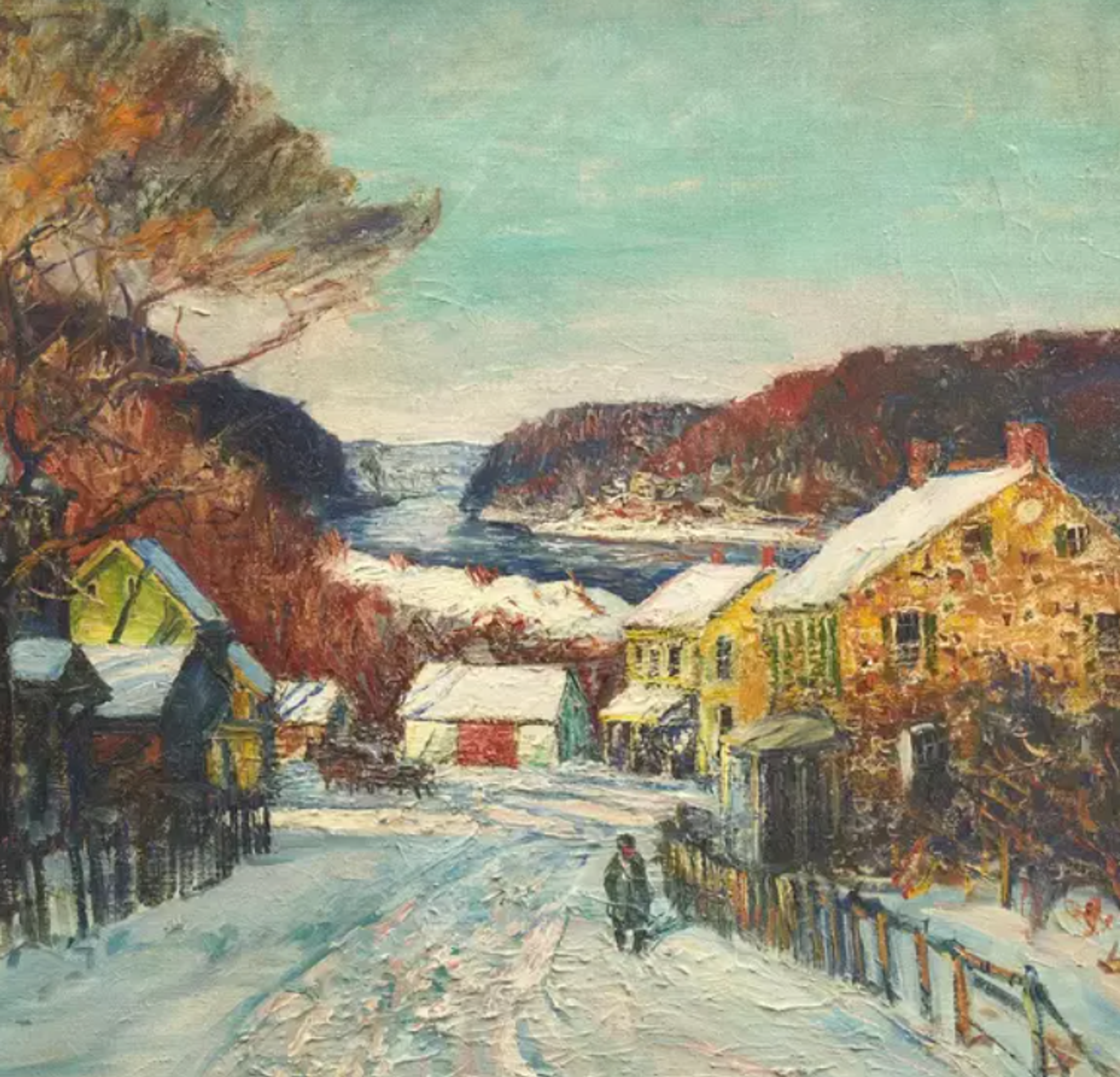
Late Afternoon (1933), a visual combination of local color with a breathtaking sense of wilderness, is arguably one of Walter Baum’s most accomplished winter scenes. The artist’s painterly rendition, recalling the bravado of Edward Redfield with its fast, muscly brushwork, endows the scene with texture and depth, the heavy snow and tumultuous flow of the river almost palpable.
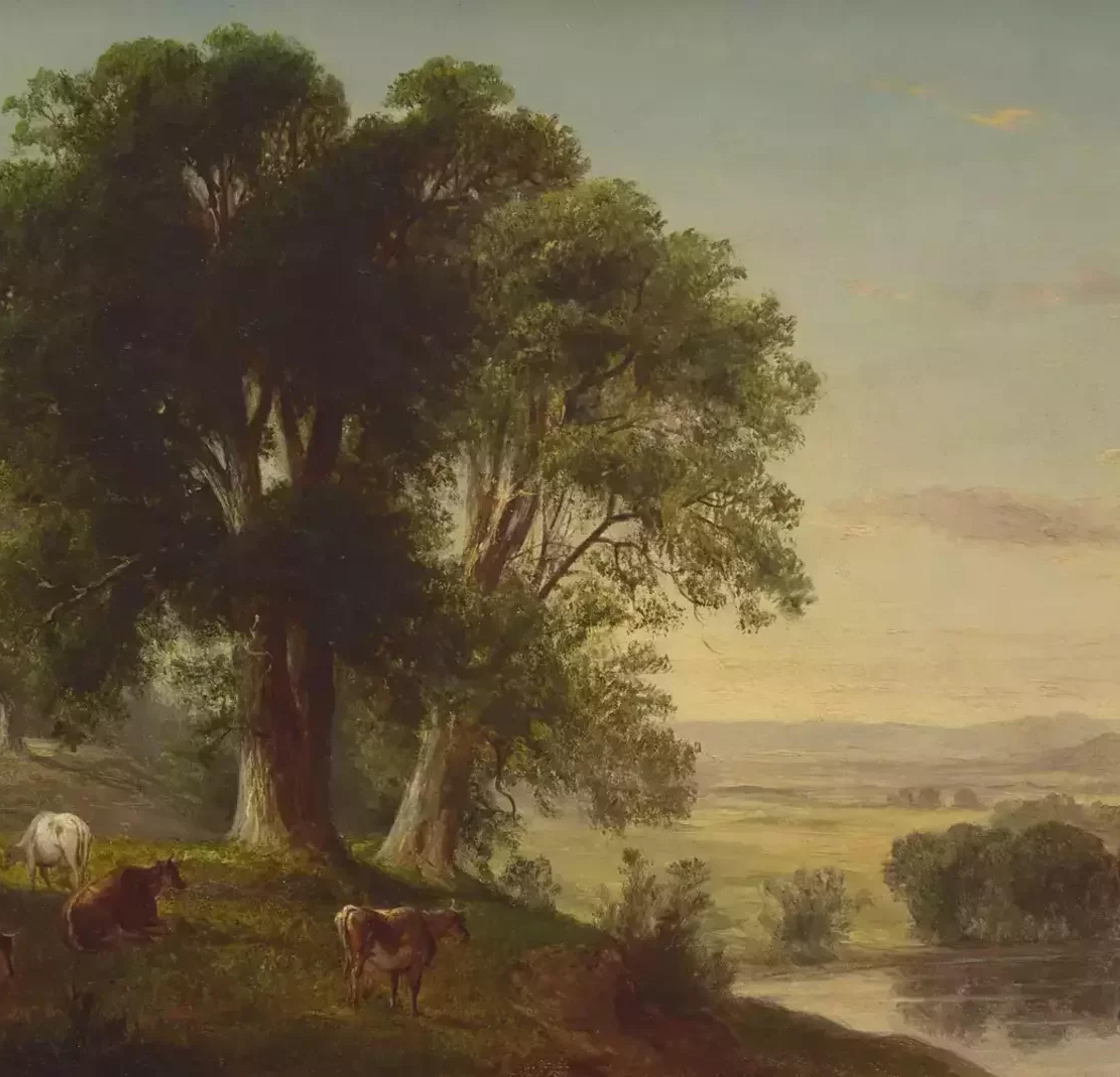
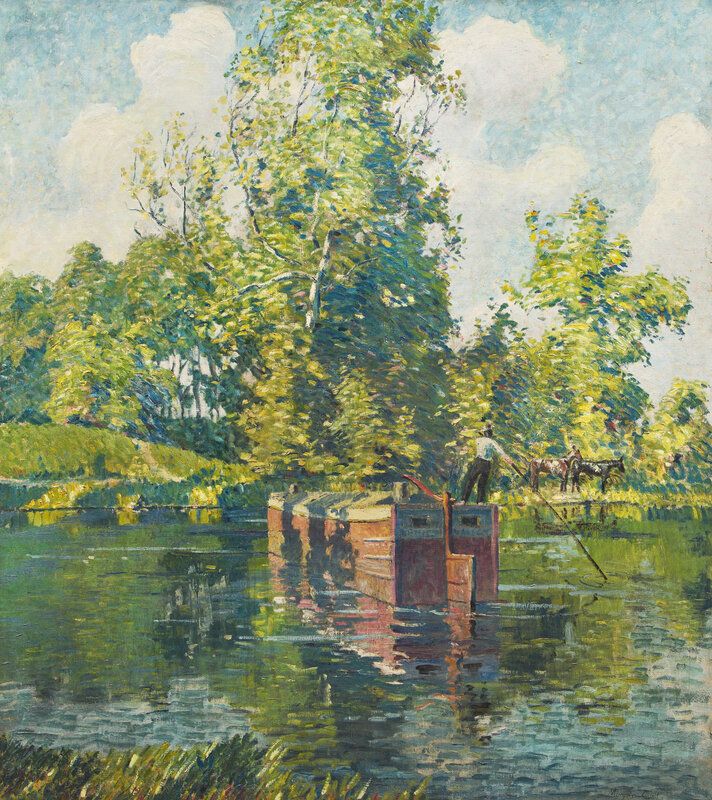
Freeman’s American Art and Pennsylvania Impressionists auction on June 7th features a fine selection works by famed Hudson River School artists, led by a scenic view of Dover Plains by Asher Brown Durand, an exquisite panorama of Blue Mountain Lake by Levi Prentice, and a tumultuous seascape by William Trost Richards. Durand’s View of Dover Plains encapsulates the Arcadian qualities of American landscape painting at the dawn of the Civil War, an effort to bolster the nation’s conception of itself as a virgin land full promise. Durand, arguably the father figure of the Hudson River School, used images of boundless wilderness and rustic scenery as the pristine backdrop against which to draw the national narrative in pictorial terms, emphasizing the grandeur, both geographical and spiritual, of the New World. Here, Durand fashioned the scene around a lofty off-centered oak towering over a pasture with grazing cows. From the tree, the eye wanders down the sloped pasture to the river flowing towards the layered horizon, the valley and mountains stretching in the distance beneath a sliver of the golden sunset and an airy sea of clouds above. In Prentice’s Blue Mountain Lake, the foreground is framed by tall trees and a rocky ledge. From there, the eye follows the water towards the distant mountains. The artist’s brushwork resembles a patchwork of red and green hues to convey the autumnal beauty of the region. The land appears vast and rich, as far as the eye can see and beyond, subtly instilling the notion that humankind cannot fully grasp or subdue an ultimately untamable nature. A second-generation Hudson River School artist, Richards also paid attention and tribute to the sublime qualities of nature. Sea at Cornwall depicts a steep and rugged coast, seemingly unapproachable as the waves resonantly crash onto it. The tempestuous sea and the jagged land are both awe-inspiring, fraught with danger, yielding a feeling of terror we subconsciously experience from the safety of our inland vantage point. The market for 19th century American landscapes, having recently shown encouraging signs of strength, is again drawing significant attention from collectors who are seeking high-quality examples. Freeman’s is thus honored to present these impressive paintings along other exceptional works by the likes of Henry Pember Smith, James Hope, Edward Lamson Henry and David Johnson. Additionally, two landscapes by Hermann Herzog, offered at auction to benefit the Acquisitions Funds of the Brandywine Museum of Art, nicely round up the sale’s Hudson River School session.
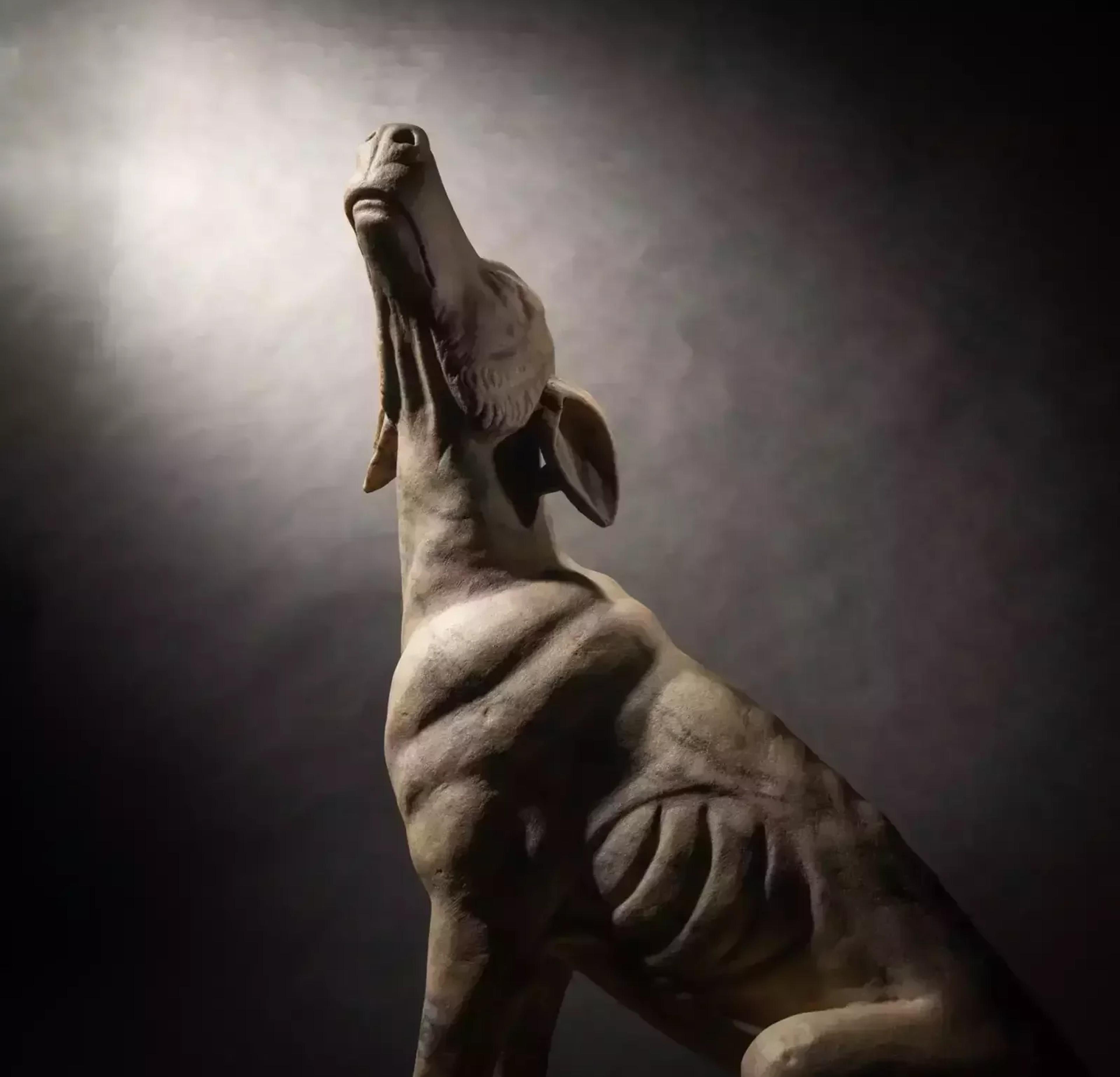
With an inquisitive, upturned head, the seated hound is captured in a moment of heightened alertness as if responding to a distant sound. The planted forelegs and massive paws, along with the alert torsion of the head and body, attractively combine to render the hunting dog in a state of latent, barely contained energy. The head is characterized by a narrow muzzle with a line of plastically rendered scruff along the jaw, with long pendent ears set low on the head and falling close to the neck. These aspects of the head, along with a deep muscled chest and abdominal tuck, are all characteristic of Laconian hunting hounds, immensely popular throughout the ancient Mediterranean. Idiosyncratic treatment of anatomy, such as selective thickening of vulnerable paws and forelegs and schematically conceived ribs, might be explained by vagaries of workshop production. It could also reflect technical challenges posed by the heterogeneous structure and pronounced veining of the pavonazzetto marble chosen, an attractive yet notorious stone for complicating precise carving due to the increased risk of fracture. Sculpted animals and dogs in particular were ideally suited to display within garden and funerary contexts where their lifelike presence and associations with loyalty and vigilance would have resonated strongly. The tradition was rooted in Greek naturalism and deeply appreciated by Roman sculptors. Colored marbles were frequently chosen for animals, used to enhance vivid, lifelike effects. Hounds in colored marble and stone have been found in metropolitan Rome during the 19th century, notably a strikingly similar seated hound rendered in serpentine excavated on the Esquiline (Musei Capitolini inv. no. MC1110) and a striding pointer carved in pavonazzetto with a verde antico base (Musei Vaticani, inv. no. MV.425.0.0). The enduring appeal of such sculptures was not lost on enthusiasts of later eras: the famed ‘Jennings Dog’ (an imposing Molossian now in the British Museum, inv. no. 2001,1010.1), notably, was one of the earliest and most admired antiquities to enter an English collection. Antiquities of the Garden: A Collector's Living Ancient World Live | ChicagoMay 20 | 9:00 AM CDT For dogs in Greek sculpture, see the section in G.M.A. Richter, Animals in Greek Sculpture (London, 1930). Vermeule’s analysis of the function and meaning of such statues remains useful C.C. Vermeule, “Greek Funerary Animals, 450-300 B.C.” AJA 76 (1972): 49-59, as does his earlier article, which takes up aspects of Roman craftsmanship: “The Basel Dog: A Vindication” AJA 72, no. 2 (1968), pp. 95-101. For the “Jennings Dog” and aspects of antiquarian interpretation, see F. Haskell and N. Penny, Taste and the Antique (New Haven, 1981).
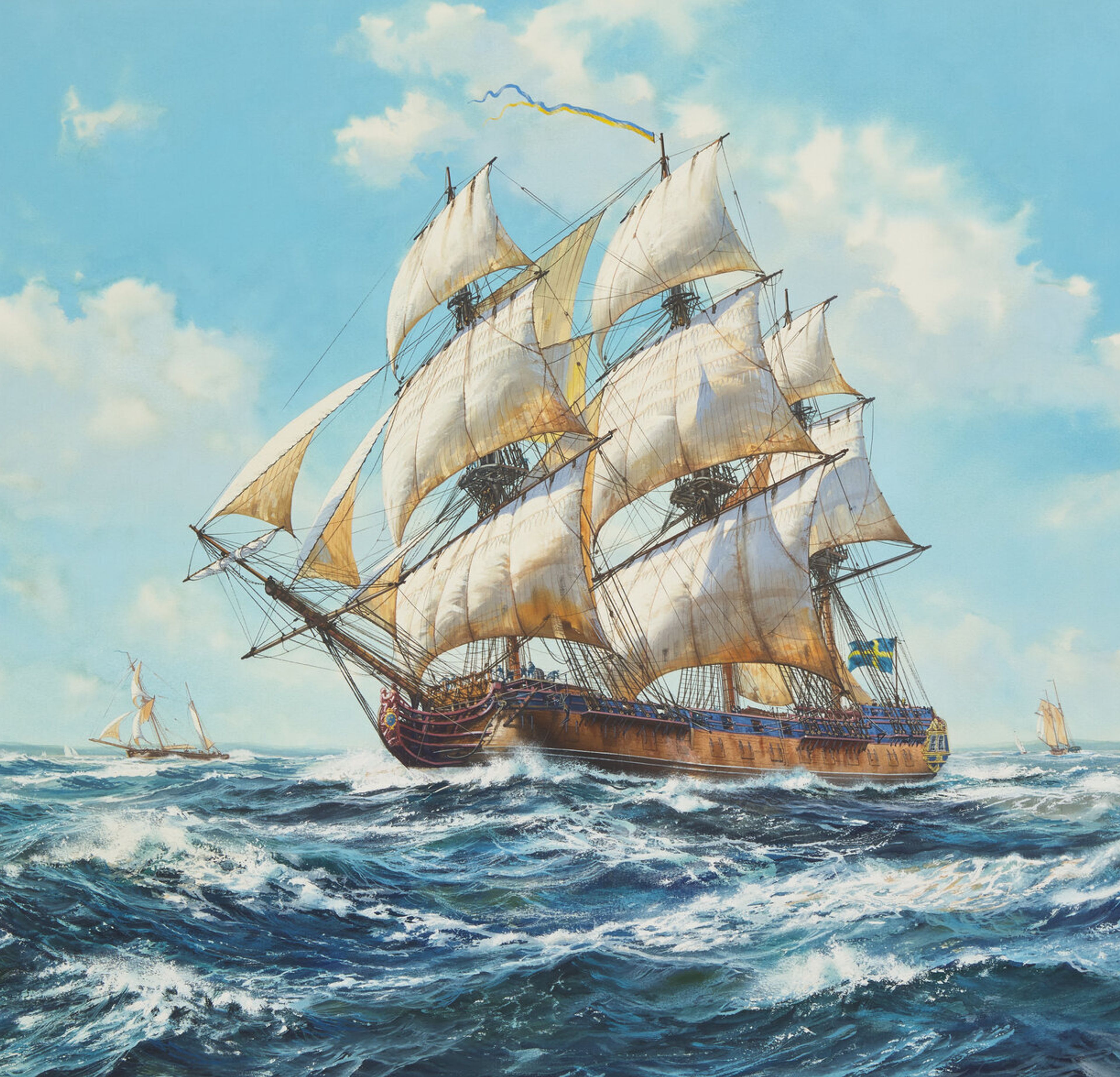
To mark 100 years of service, Freeman’s is honored to present a collection of works being sold to benefit the United Way of Southwestern Pennsylvania’s 100th Anniversary Campaign. The collection appears in Freeman’s May 12 Old Masters & 19th Century Art sale, May 13 Post-War & Contemporary Art auction, May 14 Collect: Post-War & Contemporary Art sale, and June 17 Collect: American & European Art auction. Collectors are invited to participate not only in acquiring art but also in supporting the community. Explore selections from specialists Zack Wirsum and David Weiss, including works from different centuries and styles, selected for their quality and broad appeal. Each purchase supports the United Way’s mission to strengthen communities across Southwestern Pennsylvania. “Lot 96, The Old Port of Marblehead, c. 1840, in our May 12 auction, is a great example of Roy Cross’s marine art. There is a strong tradition of recording ships that dates to the 17th century in Europe, and Cross, a largely self-taught British artist who initially began as an illustrator of aircraft subjects, proudly carried on this tradition of depicting marine subjects with great optical fidelity, as in the present work. “ – David Weiss, Senior Vice President, Fine Art “Janet Fish’s Pink Ribbon and Yellow Ribbon, 1981, is an extraordinary representation of the artist’s unique approach to photorealistic still-life painting, well composed and richly colored with implications of deeper meaning. Beyond the superficial technical and formal virtuosity of the rendering of light, reflection, and illusionistic space, the painting conceptually ponders traditional notions of femininity through the loaded,layered arrangement of domestic objects. The titular ribbons, a clear focal point commonly associated with wrapping presents and tying things with a bow, are significantly unfurled, drawing the viewer’s gaze further into the picture plane and revealing the gorgeous gift of the painting itself.” – Zack Wirsum, Senior Vice President, Head of Department, Post War & Contemporary Art
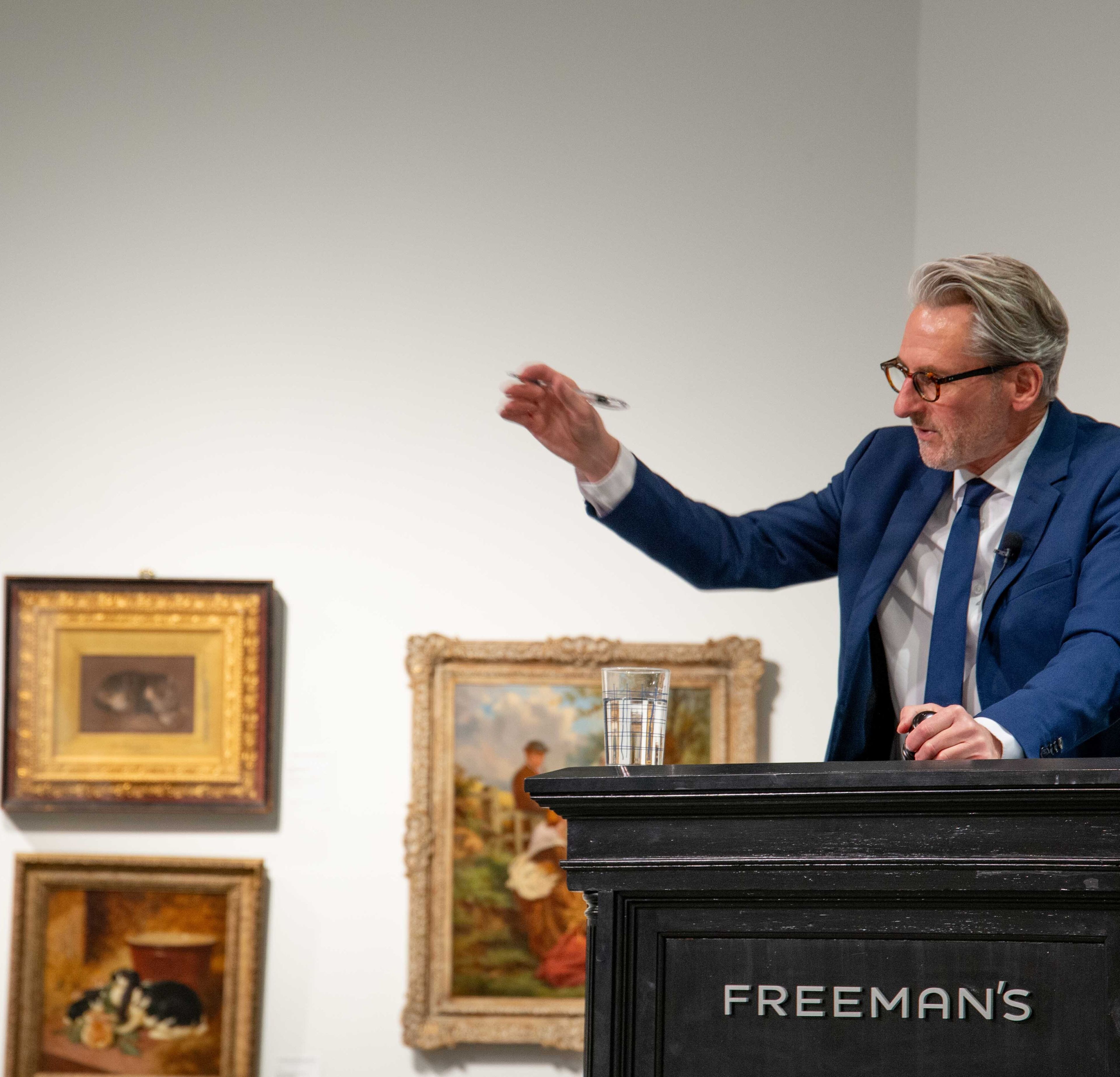
Join us as we spotlight David Weiss, Senior Vice President, Fine Art, ahead of our Old Masters & 19th Century Artauction, to be held live in New York on May 12. Learn about his journey in the world of fine art, notable achievements at Freeman’s, and his favorite lots from our upcoming sale.
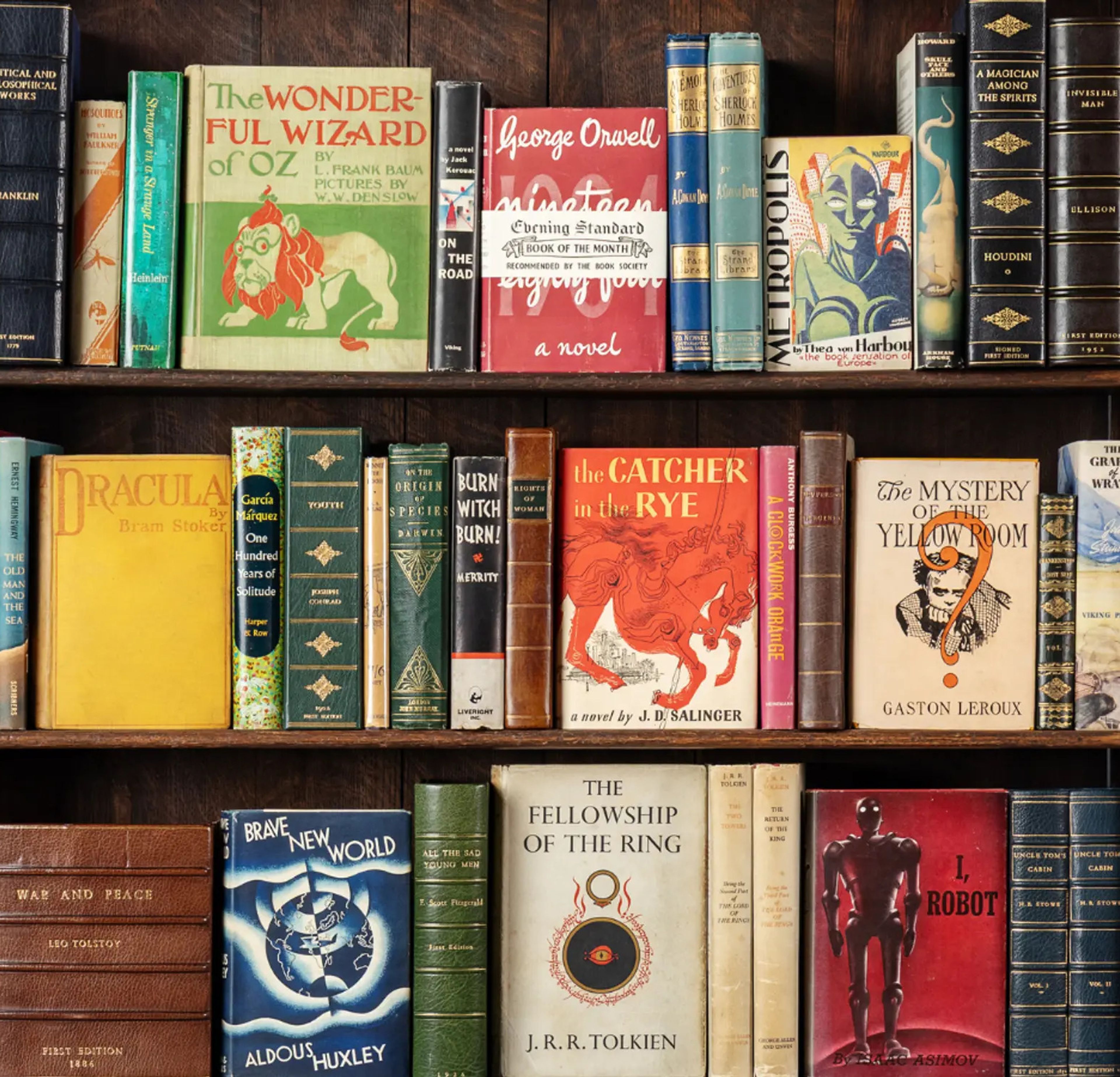
“As a kid I was a voracious reader. I was accumulating books through my twenties, and by my thirties I could afford the ones I really wanted.” For Stephen J. Farber, collecting was never simply about acquisition—it was about connection. Over decades, he assembled a library that reflects not only literary history, but a life shaped by curiosity, discipline, and enduring passion. Born in New York City and raised in Miami Beach, Farber built a distinguished career in medicine, with professional chapters spanning cities across the United States. Throughout these years, books remained a constant. What began with a love of reading in childhood evolved into a lifelong pursuit of rare and meaningful works across literature, science fiction, philosophy, and social thought. Farber’s approach to collecting was guided not by market trends, but by personal resonance. His library was built on instinct, intellectual engagement, and a deep appreciation for the written word. The result is a collection that feels cohesive yet expansive—each volume contributing to a broader narrative of inquiry and discovery. The collection includes first editions and important works by some of the most influential writers in history. Among the highlights is George Orwell’s Nineteen Eighty-Four, a defining work of twentieth-century literature. Also featured is J.R.R. Tolkien’s The Lord of the Rings, a cornerstone of modern fantasy, as well as Mary Shelley’s Frankenstein, a foundational text in both literature and science fiction. These works sit alongside important philosophical writings, including Mary Wollstonecraft’s A Vindication of the Rights of Woman, reflecting the intellectual breadth of the collection. Equally notable is the care with which the collection has been preserved. Housed in custom-built shelving with glass enclosures, Farber’s library reflects a commitment not only to collecting, but to stewardship. The condition and presentation of each volume underscore a reverence for the book as both object and artifact. The decision to bring this collection to auction marks a new chapter—one that extends its life beyond a single collector. As Farber himself expressed, the goal is simple: to place these books in the hands of those who will value and appreciate them. The Library of Stephen J. Farber is more than a collection—it is a testament to a life shaped by reading, reflection, and an enduring pursuit of knowledge.