To request further details about this lot, please email fineart@freemansauction.com
Please email fineart@freemansauction.com for any additional information or questions you may have
Sale 6565
| New York
| New York
To request further details about this lot, please email fineart@freemansauction.com
Please email fineart@freemansauction.com for any additional information or questions you may have
Estimate$14,000 – $18,000
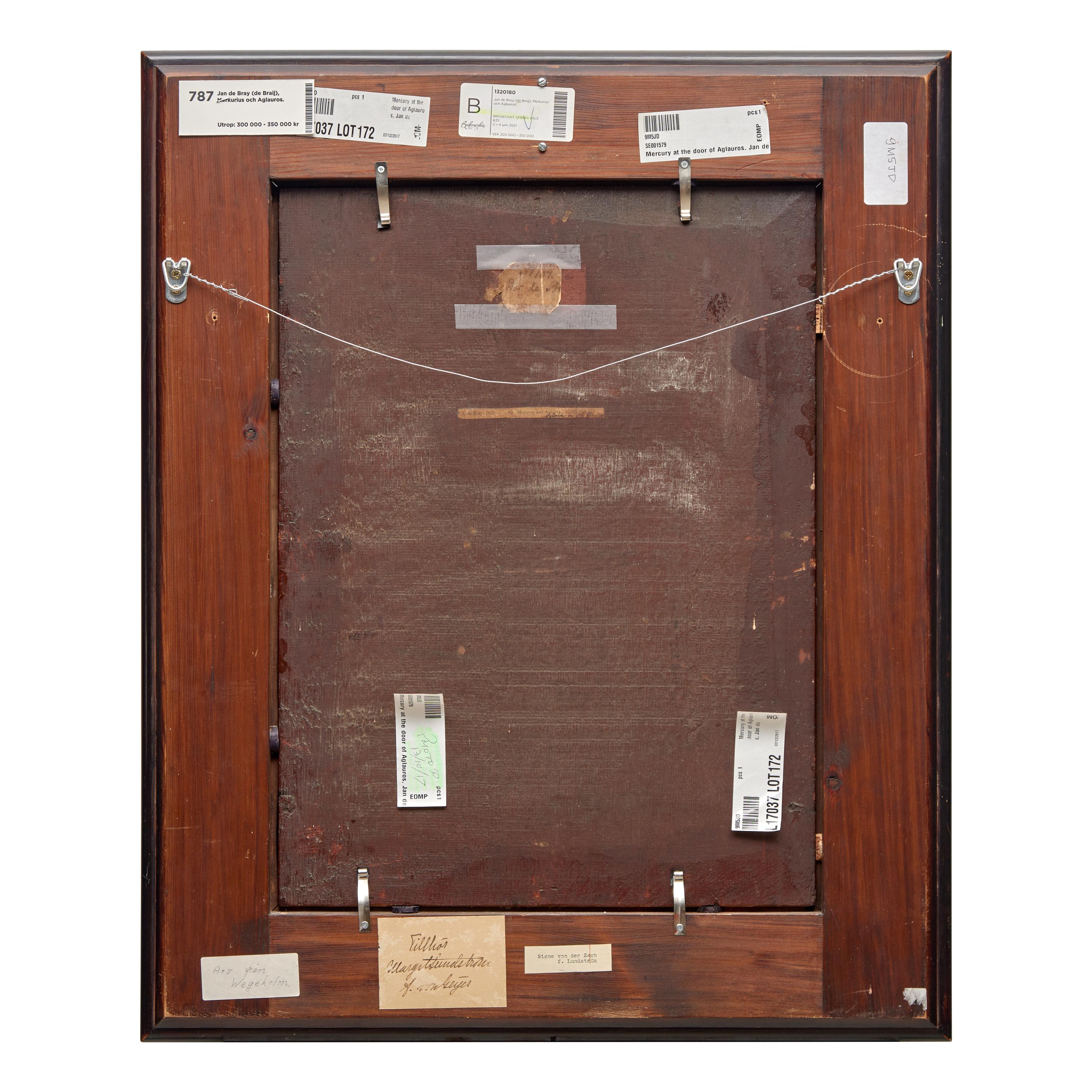
Provenance:
Siegfried Bendixen (1786-1864), Hamburg and London.
Christie's, London, sale of December 17, 1836, Lot 35.
Elfred Blaker, acquired from the above sale.
F.E. Lintz, The Hague.
Frederik Muller & Cie., Amsterdam, sale of April 27, 1909, Lot 76 (according to Hofstede de Groot, cited by Von Moltke under Literature).
Arthur Kay (1861-1939), London and Tregortha, Winton Drive, Glasgow.
Captain von Geyer, Vegeholm, Sweden, 1938.
Thence by descent.
Sotheby's, London, sale of December 7, 2017, Lot 172.
Literature:
Alfred von Wurzbach, Niederländisches Künstler-Lexikon, vol. III, Leipzig, 1911, p. 38.
J.W. von Moltke, 'Jan de Bray', Marburger Jahrbuch für Kunstwissenschaft, vol. 11/12, 1938-39, p. 469, no. 37.
Jacob Giltaij, Jan de Braij 1627/1628-1697. Schilder en Architect, Zwolle, 2017, pp. 87-88; 312, no. 13 and no. T90. illustrated.
Lot Note:
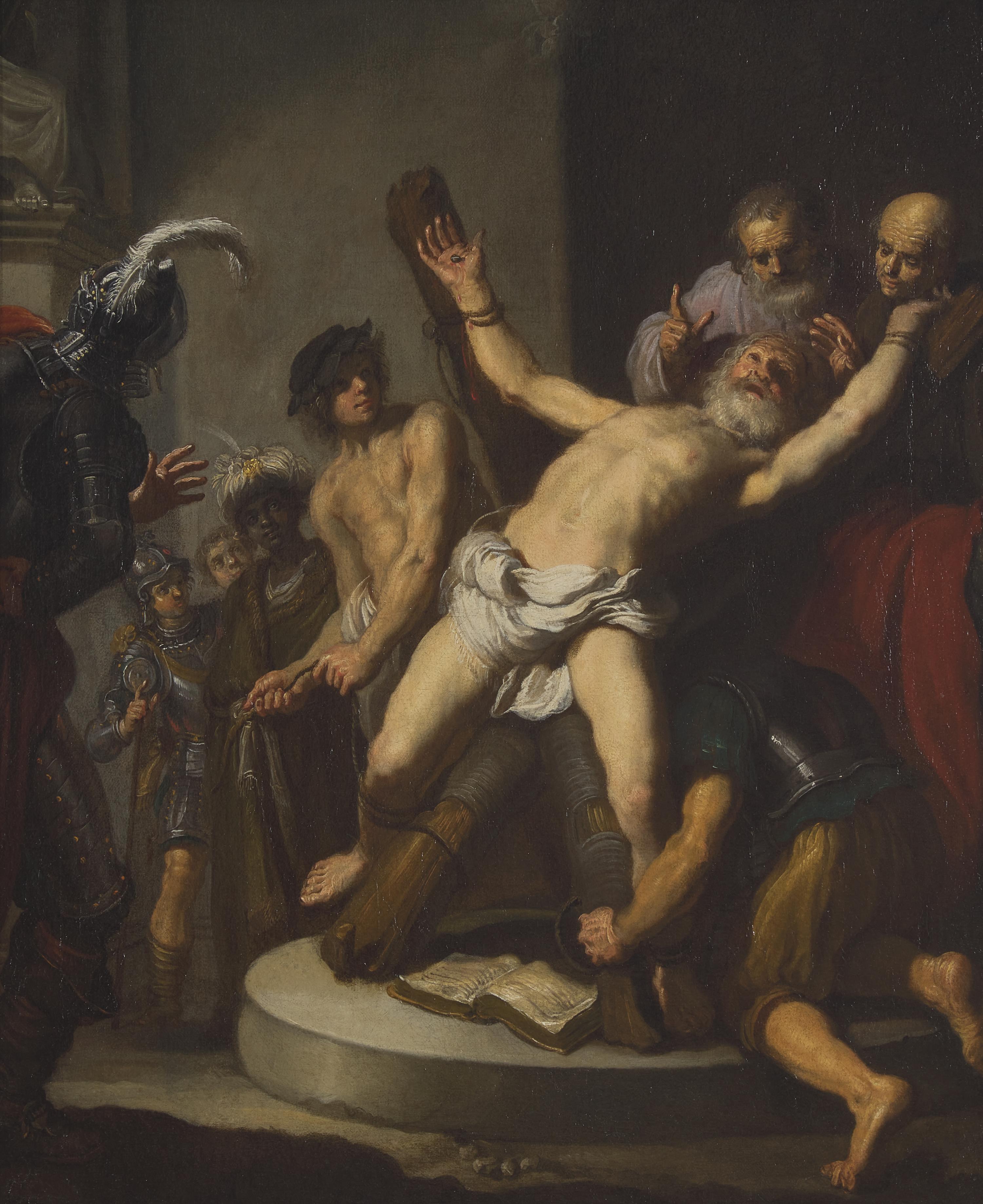
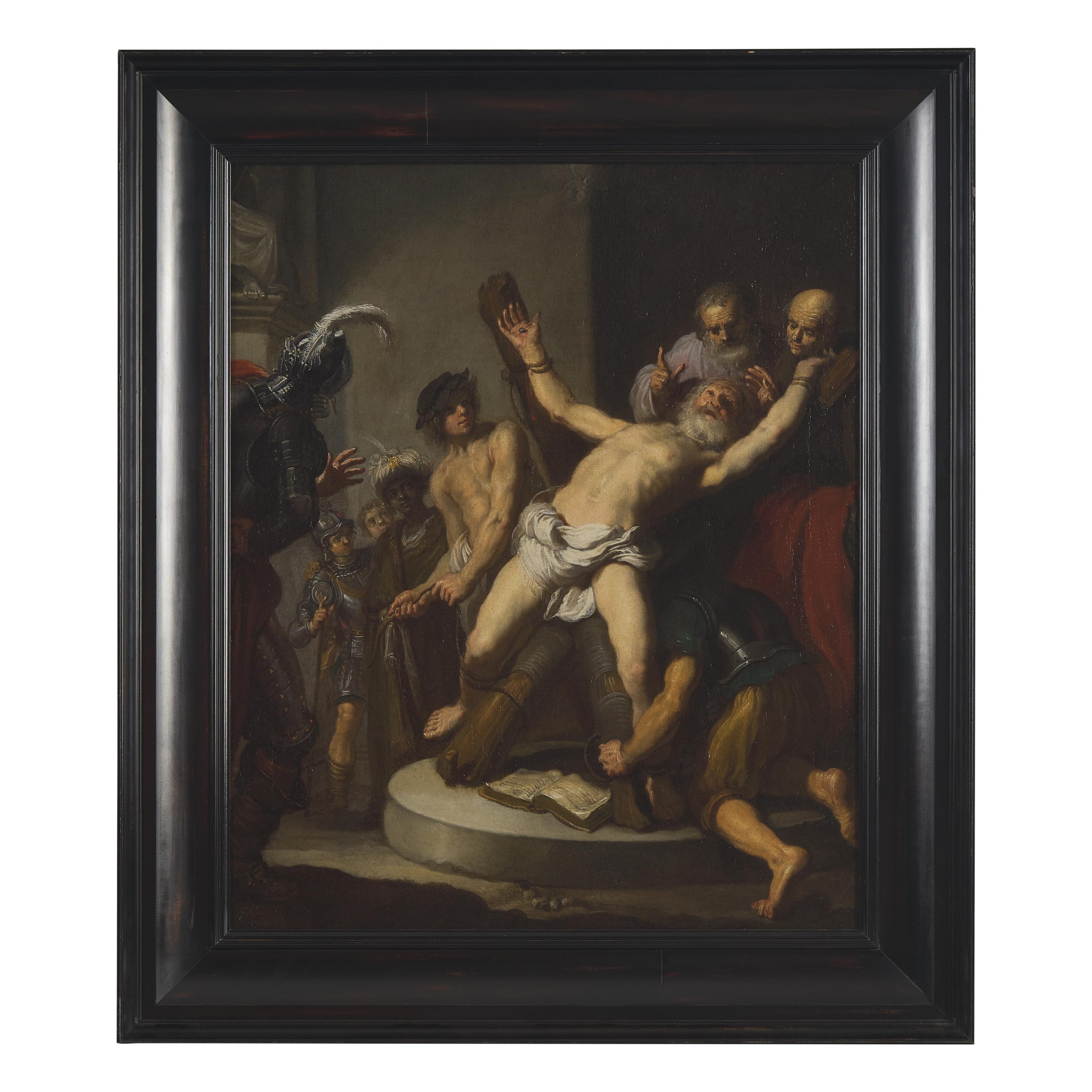
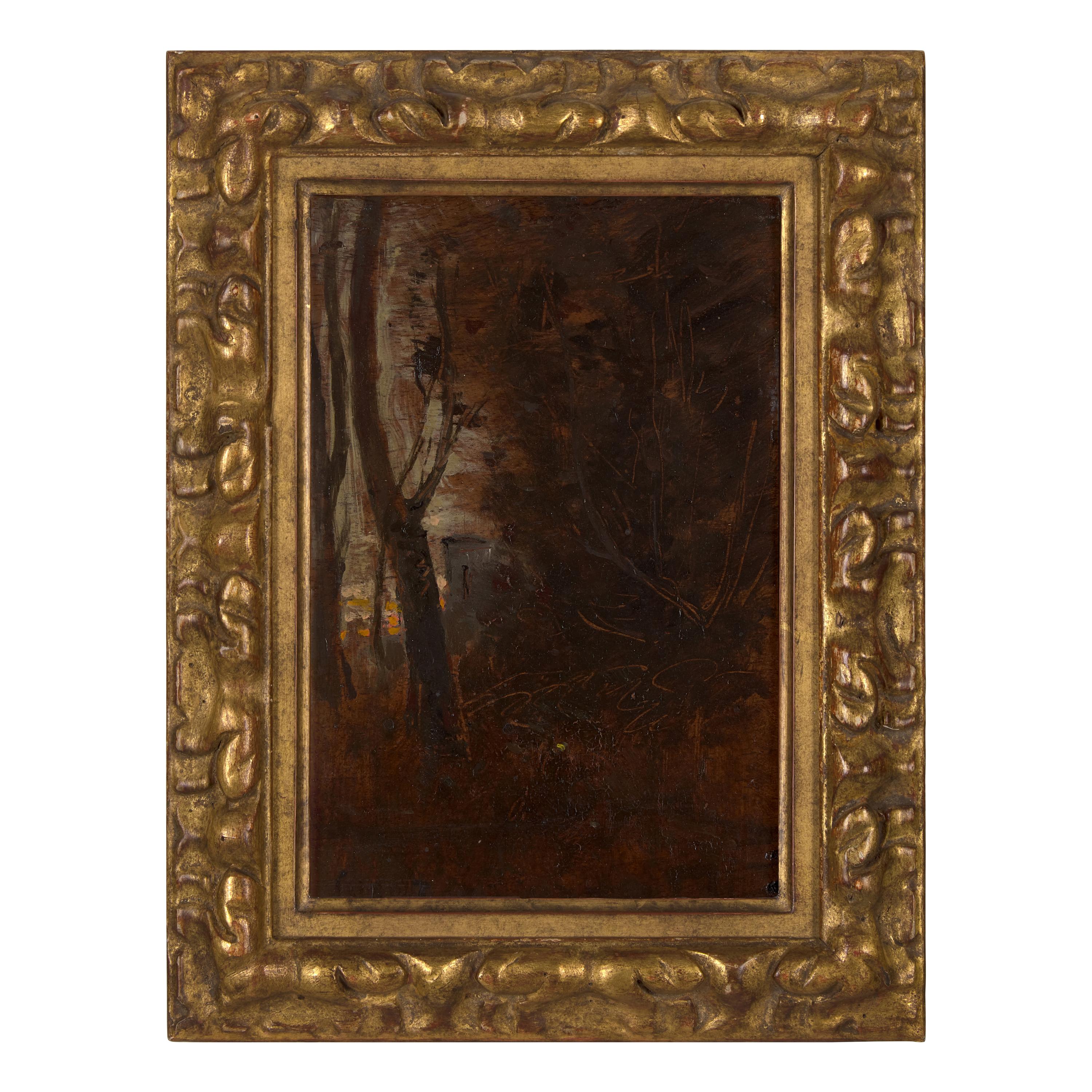
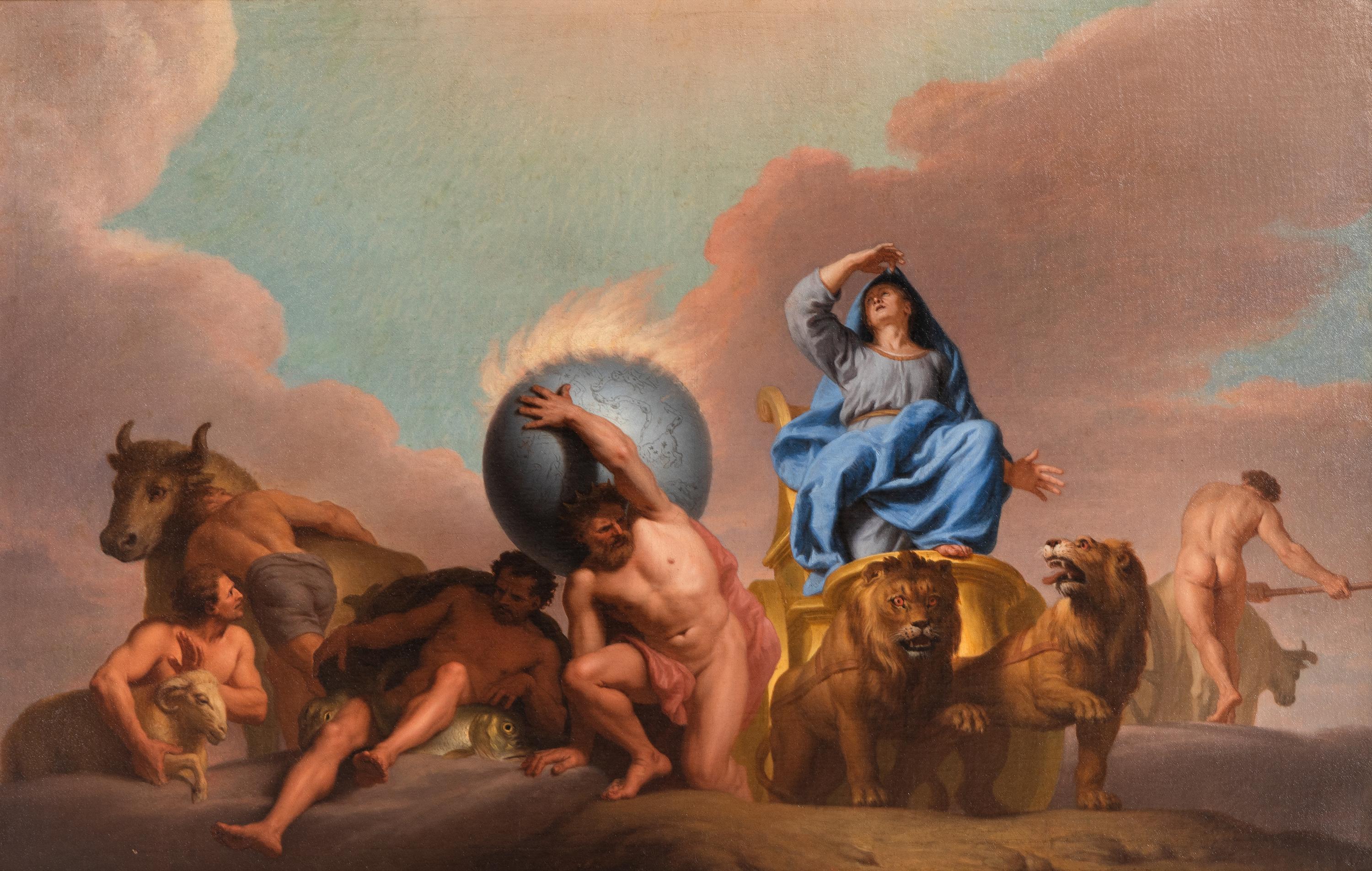
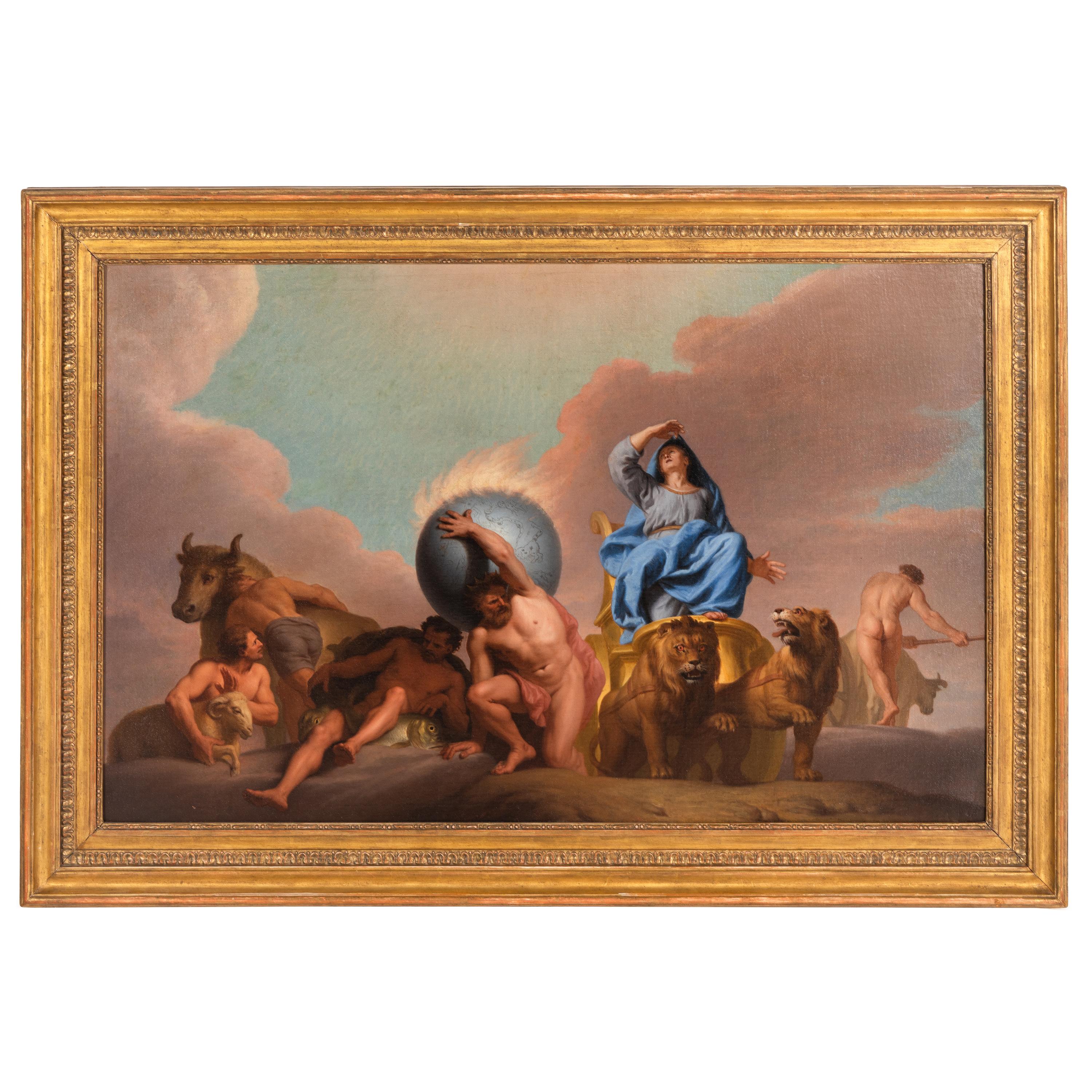
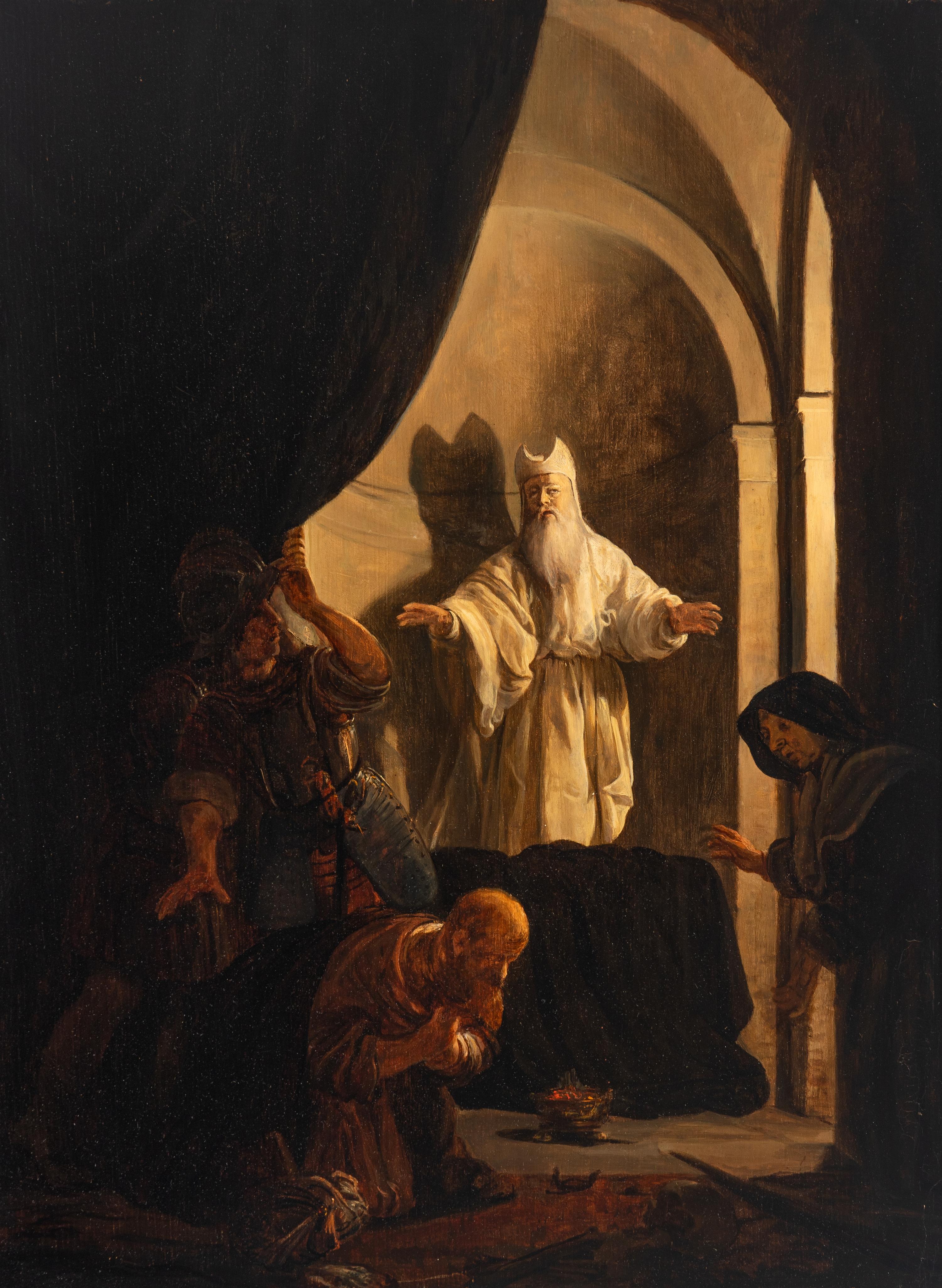
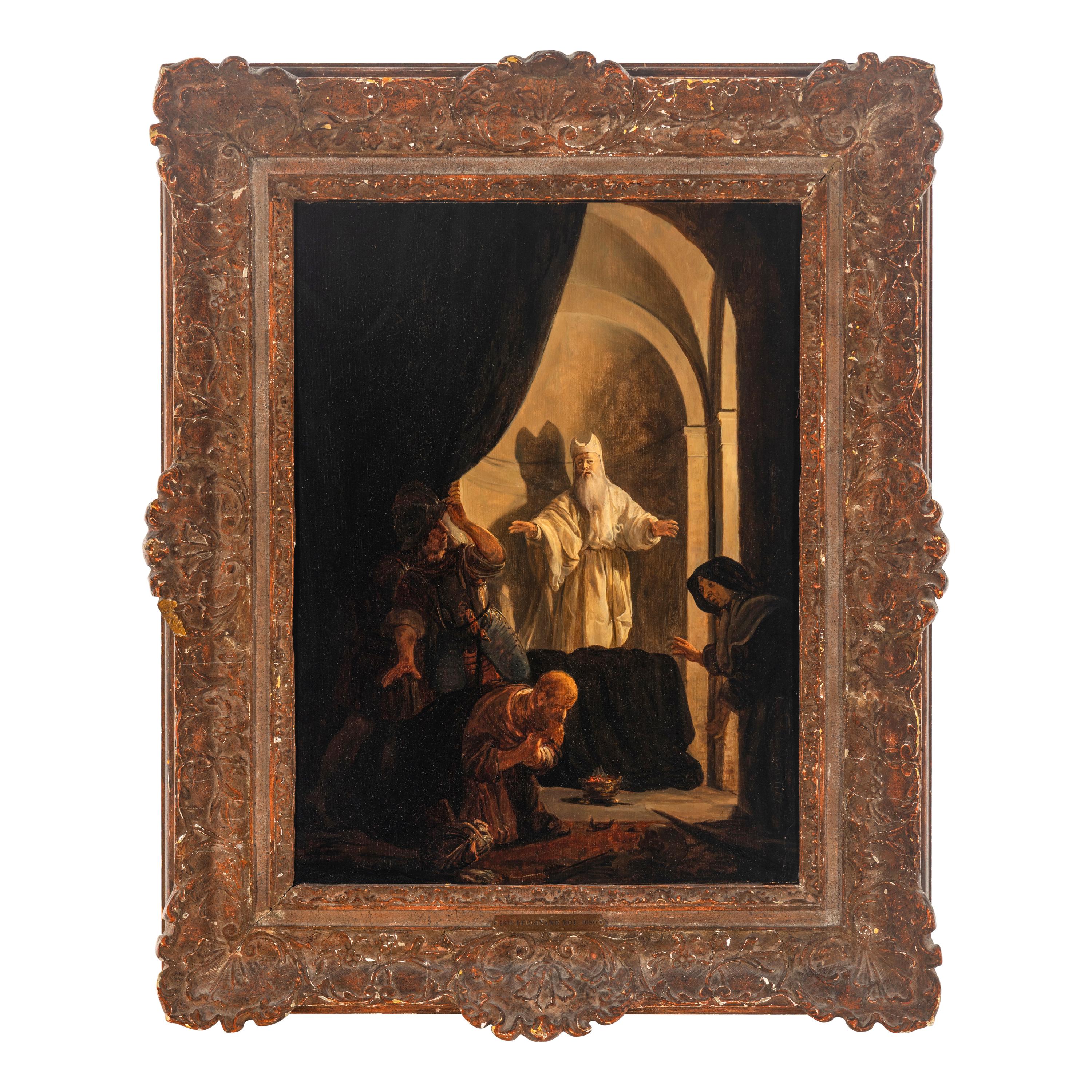
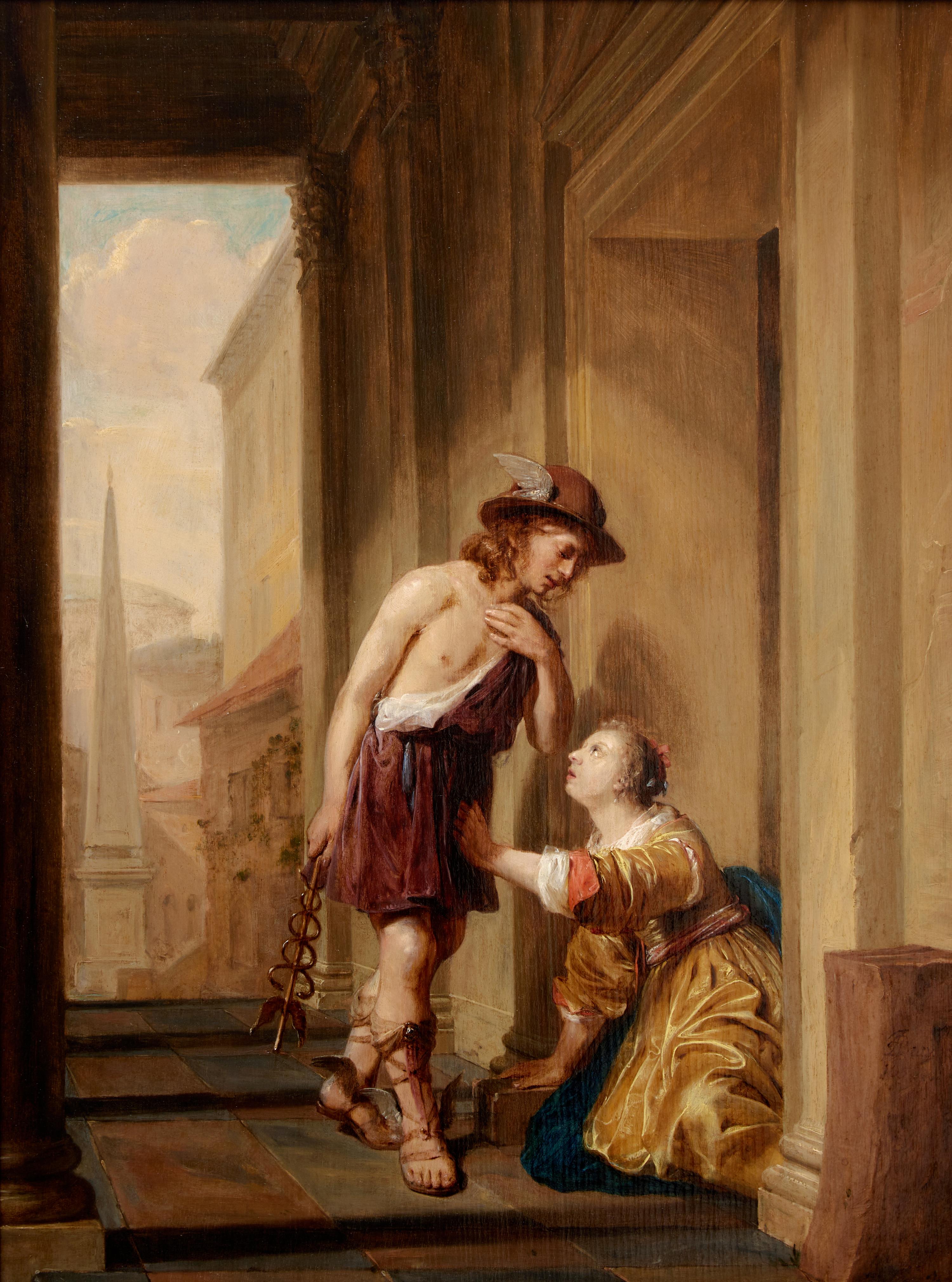
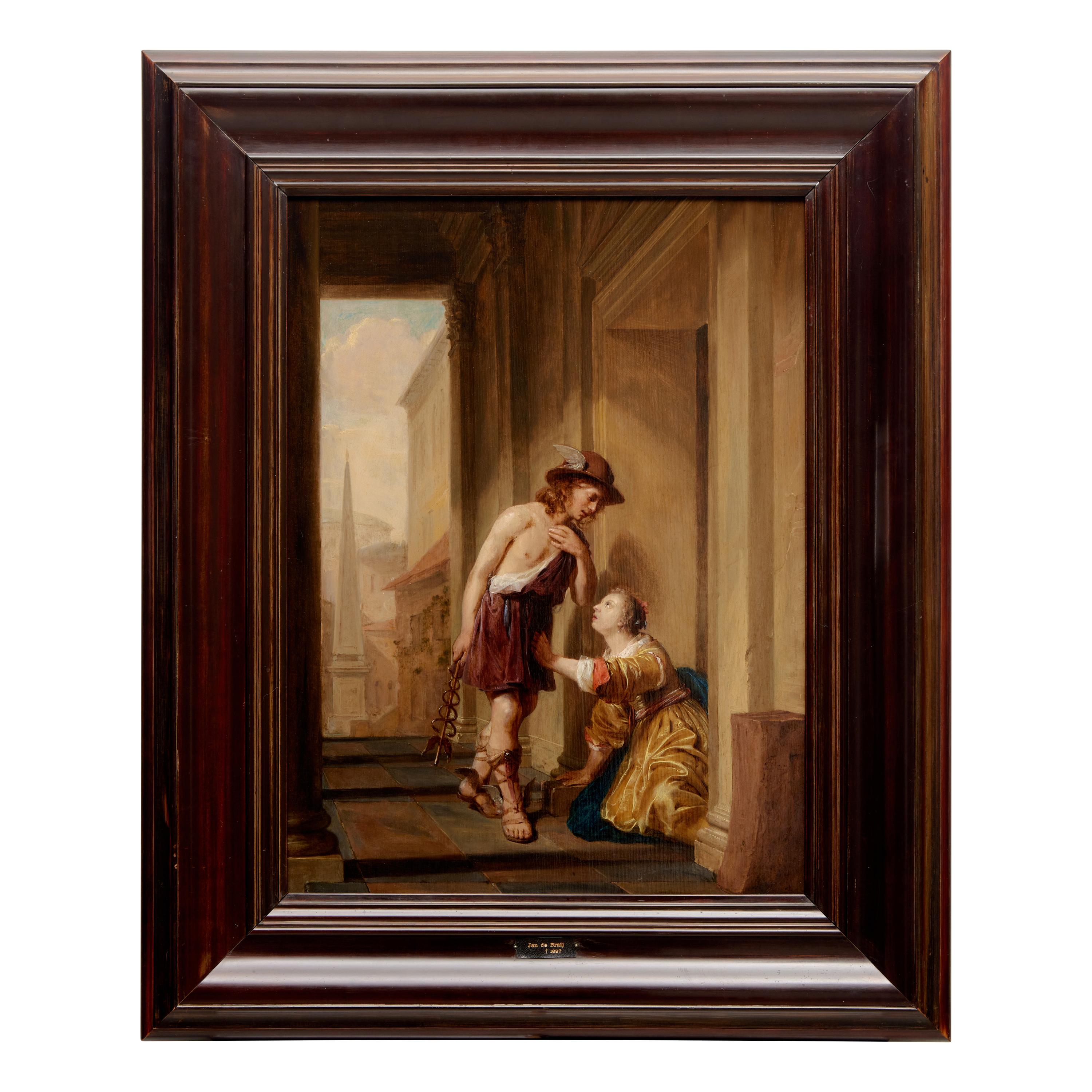
The subject, taken from Ovid’s Metamorphoses, was understood as served as a warning against the dangers of envy. According to the story, three sisters returning from the festival of Minerva, each carrying a sacred basket on her head, caught the attention of Mercury, who immediately fell in love with Herse, the most beautiful of the three. Her sister Aglauros, consumed by jealousy, attempted to prevent Mercury from entering Herse’s chamber. In the scene depicted here, Mercury touches Aglauros with his wand, transforming her into black stone, a symbolic embodiment of her dark and envious thoughts.
The practice of making finished drawn copies after paintings was an established tradition in the de Bray family workshop. Jan de Bray and his father, Salomon, regularly made such copies after their own and other artists’ paintings, often recording the precise date on which they were executed. This practice was continued by Salomon’s other sons, Dirck and Joseph, who likewise copied works by their father and elder brother. Joseph made a finished drawing after the present painting, now in the Rijksprentenkabinet, Amsterdam, which he signed and dated Josepho. 1658 2/6. The date, 2 February 1658, provides an important indication that Jan’s painting, itself dated 1658, had been completed by the beginning of February that year. Joseph’s drawing is further inscribed with a detailed description of the subject. Jan de Bray’s history paintings of the 1650s were strongly influenced by his father, Salomon. This influence is particularly evident in the present work, whose intimate scale, restrained palette, and subdued coloration are characteristic of the elder artist’s manner.
Framed: 30 1/2 x 25 x 2 in.
Please contact Fineart@freemansauction.com for a detailed condition report.
The physical condition of lots in our auctions can vary due to age, normal wear and tear, previous damage, and restoration/repair. All lots are sold "AS IS," in the condition they are in at the time of the auction, and we and the seller make no representation or warranty and assume no liability of any kind as to a lot's condition. Any reference to condition in a catalogue description or a condition report shall not amount to a full accounting of condition. Condition reports prepared by Freeman's staff are provided as a convenience and may be requested from the Department prior to bidding.
The absence of a posted condition report on the Freeman's website or in our catalogues should not be interpreted as commentary on an item's condition. Prospective buyers are responsible for inspecting a lot or sending their agent or conservator to inspect the lot on their behalf, and for ensuring that they have requested, received and understood any condition report provided by Freeman's.
Please email fineart@freemansauction.com for any additional information or questions you may have regarding this lot.